On this page
To plan a luxury bathroom renovation, start with how you actually use the room, set a realistic budget with a 10-15% contingency for hidden surprises, and lock in every selection (layout, materials, fixtures, and lighting) before demo begins so changes do not cause delays and change orders. The project schedule depends on scope, approvals, selections, and availability. Review the proposed scope and warranty terms before signing.
A luxury bathroom is one of the most rewarding upgrades you can make to a home — and one of the easiest to get wrong if you rush in. The difference between a finished spa you love and a months-long headache almost always comes down to two things: how well you planned it, and who you hired to build it.
Here's the homeowner's playbook for getting both right.
1. Start with how you actually live — not just the inspiration photos
Save the inspiration images (they help — that's half of what this article is). But before you fall in love with a specific tile, get clear on how the room needs to work:
- Who uses it, and when? A shared primary bath has different needs than a guest suite.
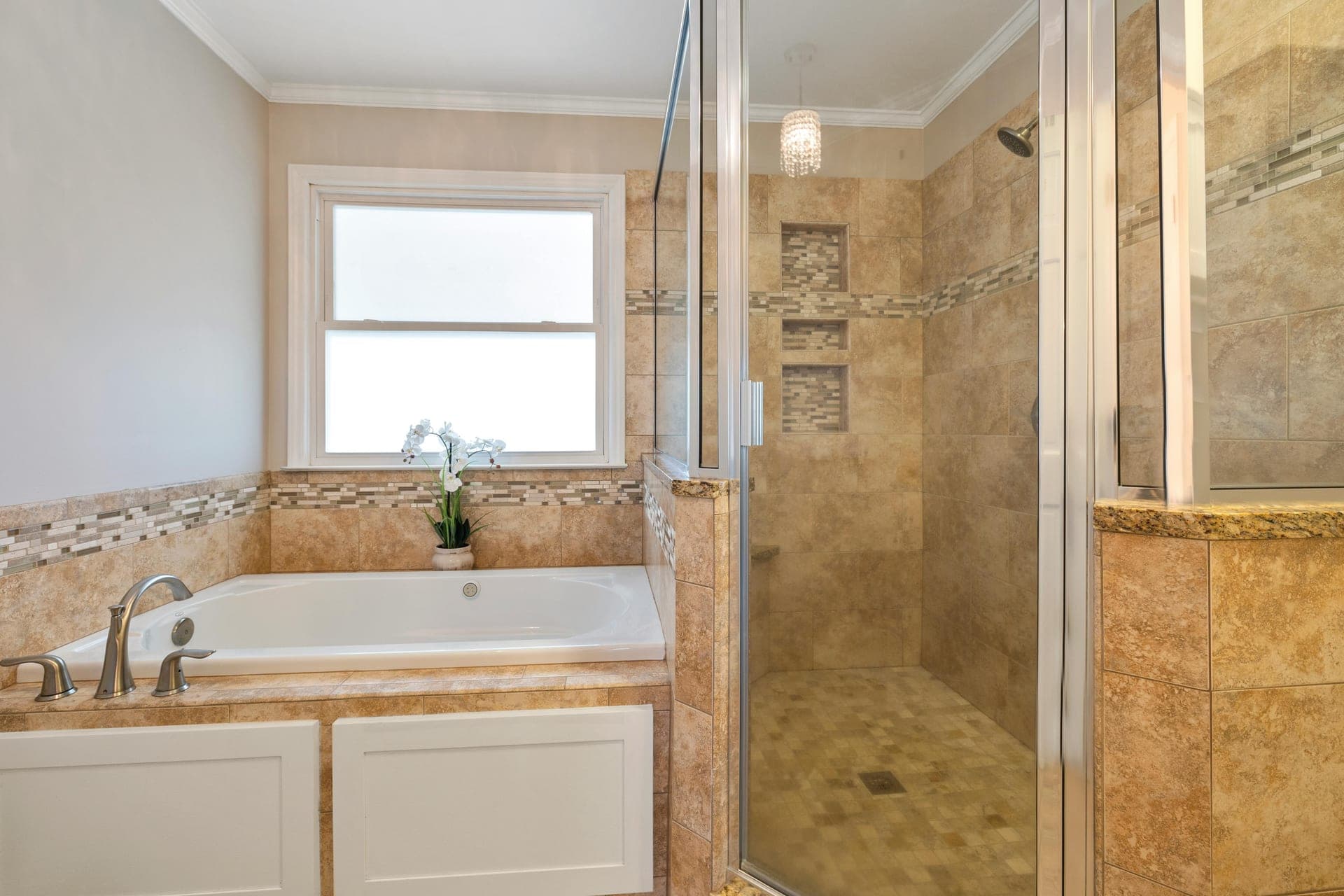
- Do you want a long soak in a freestanding tub, or is a large walk-in shower the priority? (Many homeowners discover they want a spectacular shower more than a tub.)
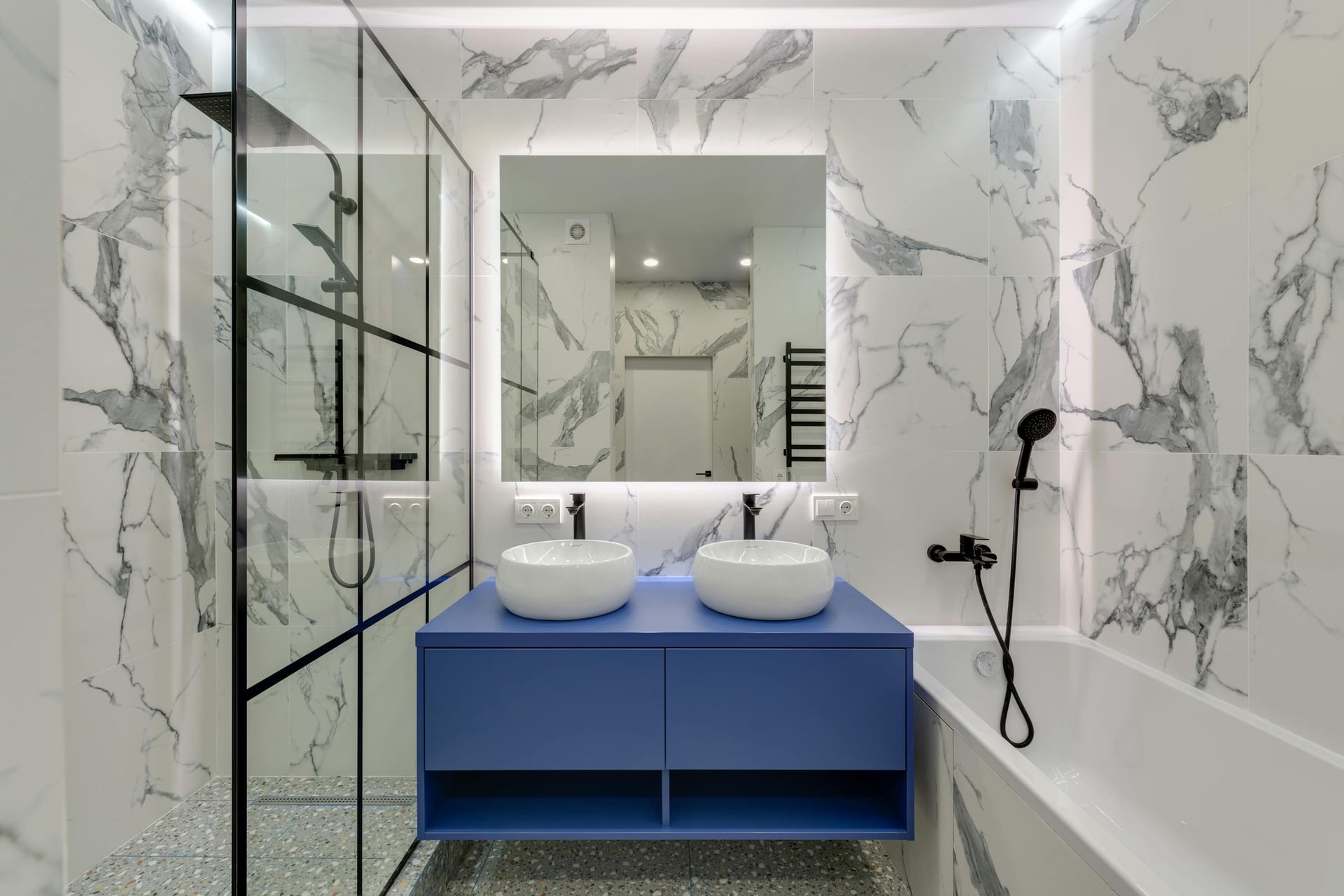
- Double vanity or a single with more counter? Where does storage need to go?
- Are you planning to stay in this home long-term? If so, building in subtle aging-in-place features now — a curbless shower, blocking for future grab bars — is far cheaper than retrofitting later.
Write down your must-haves vs. nice-to-haves. That single list keeps the project (and the budget) honest when the fun selections start.
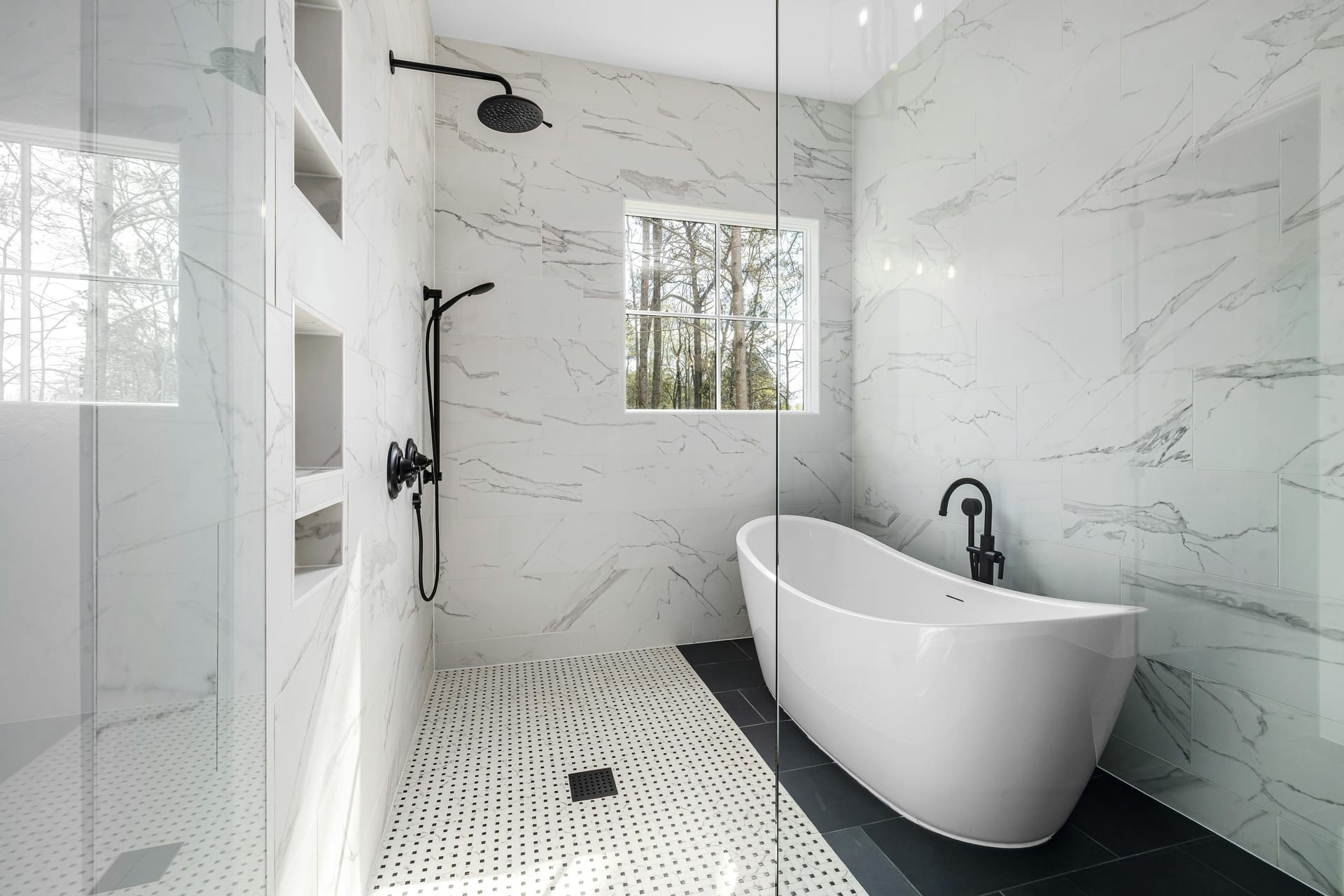 Design inspiration · not a Real Elite project
2. Set a realistic budget — with a contingency
Luxury primary baths in our region typically start around $50,000 and climb from there with layout changes, premium stone, and custom cabinetry. The honest way to budget:
- Decide a number you're comfortable with before you shop, so selections fit the plan instead of blowing past it.
- Build in a 10–15% contingency. Older homes hide surprises behind the walls — old plumbing, hidden water damage — and a contingency keeps a surprise from becoming a crisis.
- Understand where the money goes. For a full line-item breakdown by tier, see our guide on what a bathroom remodel actually costs, and for the design features that define the high end, our deep dive on what goes into a luxury primary bath.
A good contractor will give you a written, line-item estimate so you can see exactly what your budget buys — not a vague lump sum.
3. Lock in the design before anyone swings a hammer
The single biggest cause of blown timelines and budgets is deciding selections mid-project. Tile, stone, fixtures, vanities, and lighting all have lead times, and changing your mind after demo means delays and change orders.
Before demolition starts, you want decisions made on:
- Layout — where the shower, tub, vanities, and toilet go (moving plumbing is worth it, but decide early).
- Materials — floor and wall tile, counter stone, and how they work together.
- Fixtures and finish — faucets, shower system, hardware, and a consistent metal finish throughout.
- Lighting plan — recessed, vanity, and accent lighting, ideally on dimmers.
Get it all on paper. The best projects are boring during construction because every decision was made up front.
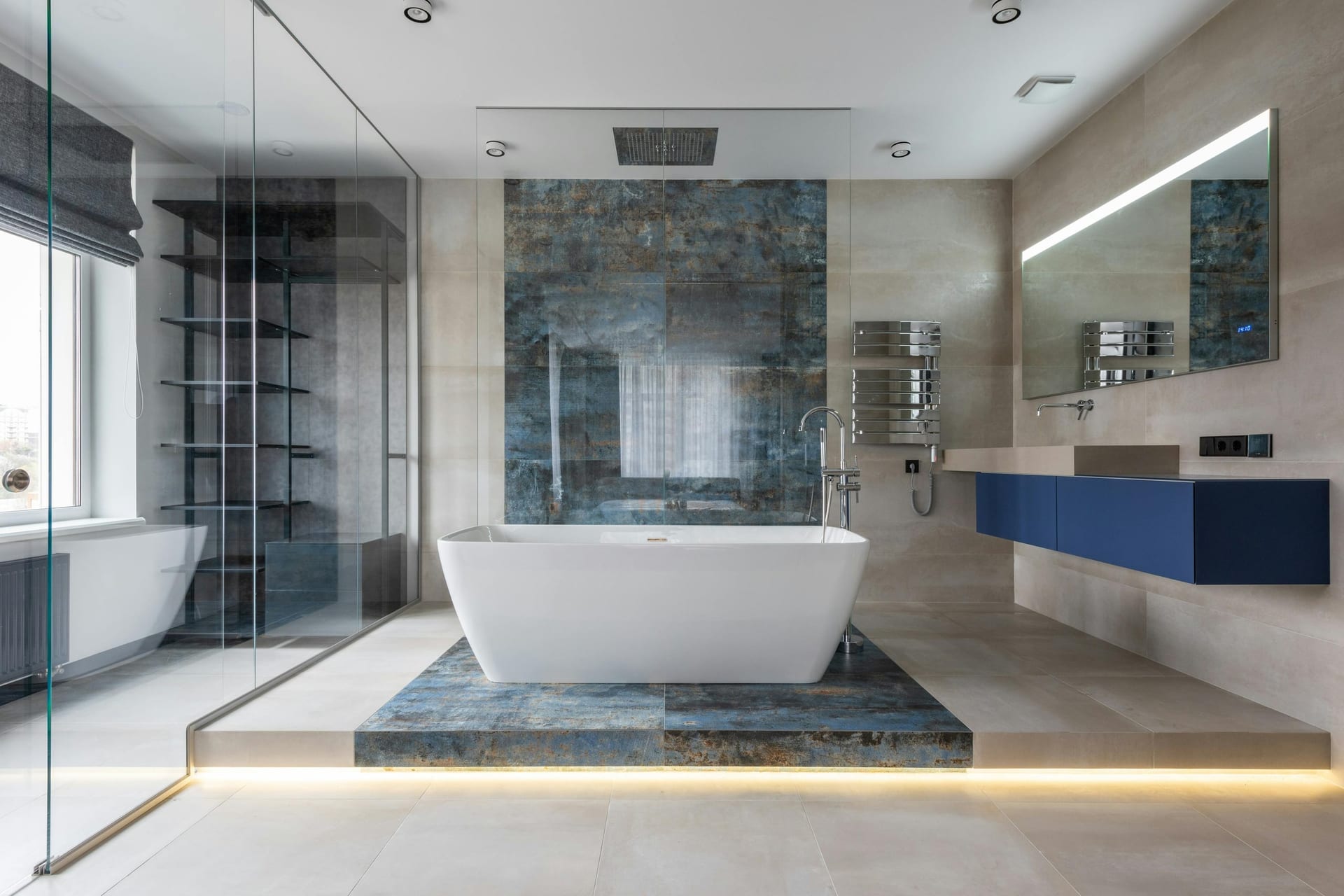 Design inspiration · not a Real Elite project
4. The materials and features that read "luxury"
You don't need every feature — you need the right ones, executed well. The ones that consistently make a bathroom feel high-end:
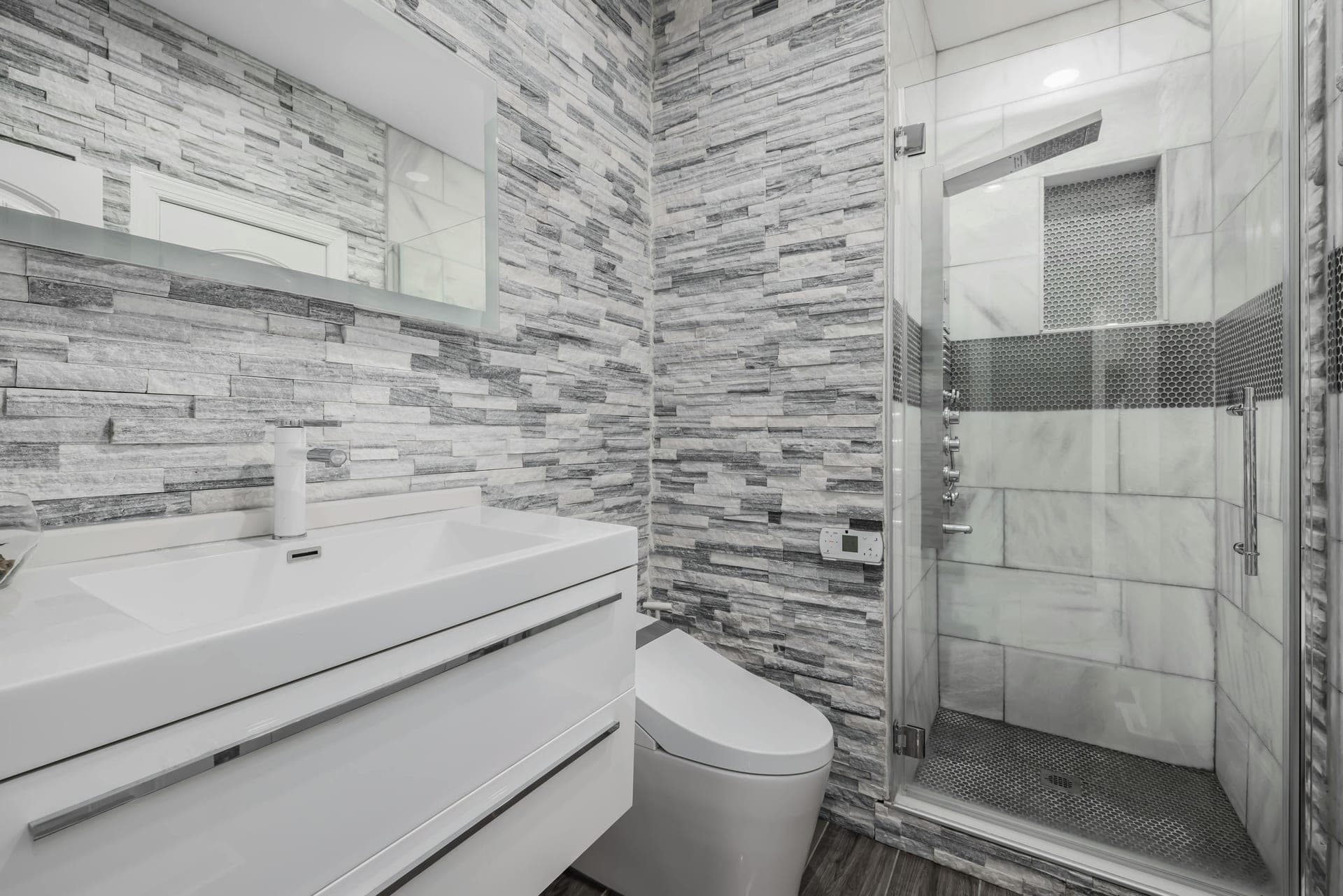
- A curbless walk-in shower with frameless glass and an oversized rain head plus a handheld.
- Large-format porcelain or natural stone — fewer grout lines, a more seamless look.
- Heated floors — the upgrade homeowners mention most after the fact.
- A freestanding tub as a focal point, where the layout supports it.
- Layered lighting and quality fixtures carried consistently across the room.
What matters more than any single feature is the work behind the wall — proper waterproofing, real ventilation, and a layout that flows. Beautiful tile over bad waterproofing is a future repair, not a luxury.
5. How to choose the right contractor (the part that matters most)
You can pick perfect finishes and still end up unhappy if the wrong crew installs them. This is where to spend your diligence. Look for:
- Licensed and insured — and verify it. In West Virginia, contracting work over $5,000 requires a state license; Maryland and Virginia have their own requirements. Ask for the license number and the insurance certificate, and confirm they're current. A legitimate contractor hands these over without hesitation.
- Local and established. A company with roots in your area has its reputation on the line and will still be here for warranty work. Be cautious with crews that can't show you local, recent projects.
- A real portfolio and references. Ask to see completed bathrooms and to speak with recent clients.
- A written, line-item estimate and a clear contract. The scope, materials, payment schedule, and timeline should all be in writing. Vague one-line quotes are a red flag.
- A sane payment schedule. Reasonable deposits tied to milestones — not a demand for most of the money up front.
- A named point of contact. You should know exactly who's running your project and how you'll get updates. Review the proposed scope and warranty terms before signing.
- They pull the permits. A pro handles permitting and inspections; you shouldn't be chasing paperwork on your own remodel.
Red flags to walk away from: high-pressure, sign-today sales; large cash deposits; no written contract; reluctance to show a license or insurance; and prices that seem too good to be true. (Our guide on why hiring a licensed contractor saves money goes deeper on the real cost of cutting this corner.)
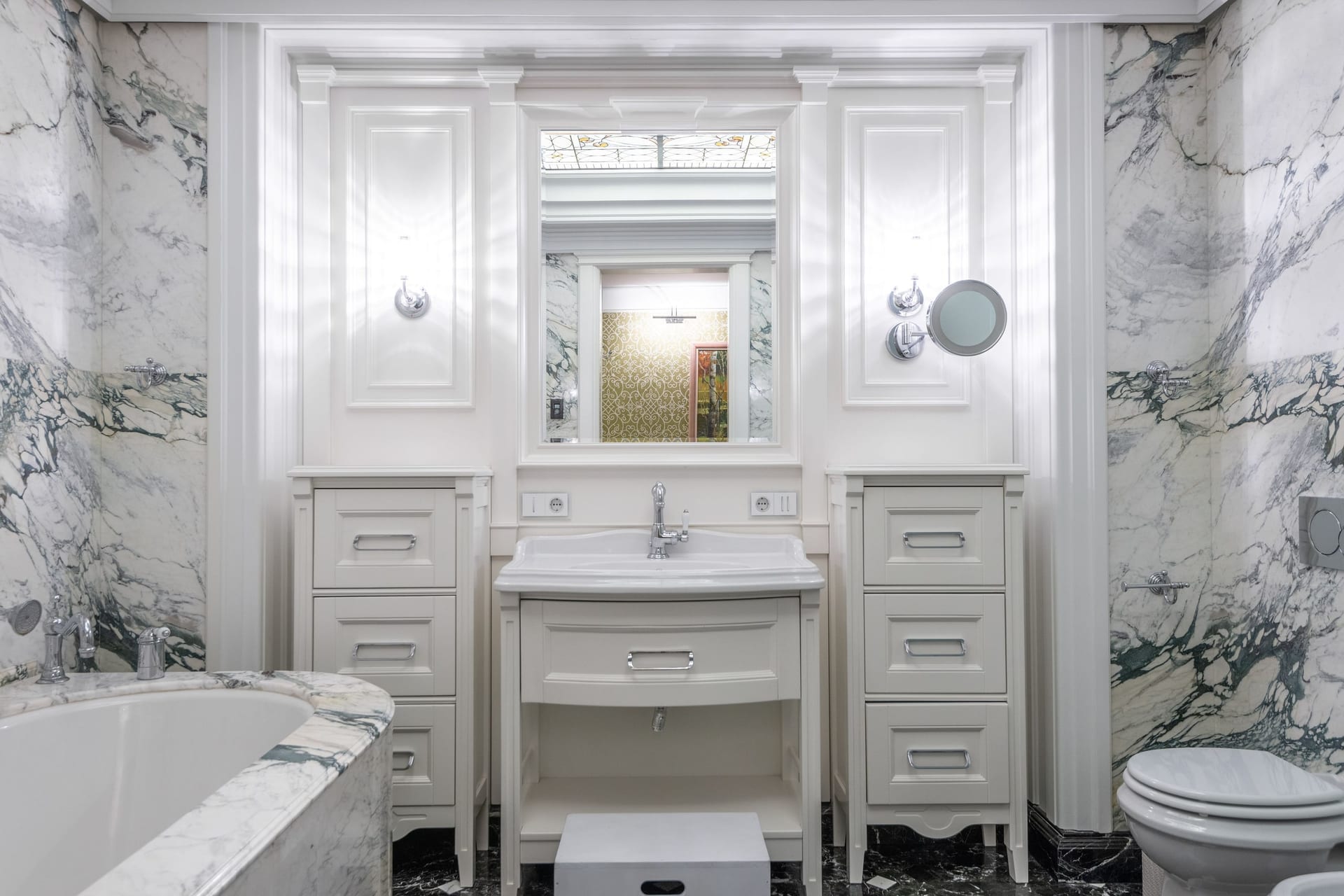 Design inspiration · not a Real Elite project
6. Questions to ask before you sign
Bring this short list to every contractor conversation:
- Are you licensed and insured in my state, and can I see proof?
- Can I see photos of recent bathrooms you've completed, and talk to those clients?
- Will I get a written, line-item estimate and a detailed contract?
- Who is my day-to-day point of contact, and how often will I hear from you?
- What's the payment schedule, and how are change orders handled?
- Who pulls the permits, and how are inspections handled?
- What warranty do you provide in writing?
- What's the realistic timeline — and what could extend it?
The answers tell you almost everything about what working with that contractor will feel like.
7. What to expect during the build
The project schedule depends on scope, approvals, selections, and availability. A good contractor will give you a written timeline before breaking ground, protect the rest of your home from dust, keep the job site clean, and finish with a final walkthrough and punch list before you sign off. You should never feel like you're in the dark about your own project.
The Real Elite approach
Review the proposed scope and warranty terms before signing. Military precision, applied to a room you'll use every day.
If you're planning a high-end bathroom in Loudoun County, Ashburn, Leesburg, Frederick, the Eastern Panhandle, or anywhere across the WV–MD–VA region, we'd be glad to walk the space with you and give you a straight, written estimate.
Call us at (681) 534-5515 or request a free estimate. Learn more about our bathroom remodeling services and our process.
Family-run by brothers Jose and Miguel. Miguel is a U.S. military veteran and Purple Heart recipient. Real Elite Contracting is licensed and insured across WV and VA.
Photography in this article is for design inspiration.