On this page
For nearly every Eastern Panhandle homeowner replacing a roof in 2026, architectural shingles are the right choice: about $800–$2,000 more on a typical replacement buys a realistic 25–30-year lifespan versus 15–20 for 3-tab, and a 110–130 mph wind rating versus roughly 60. 3-tab only pencils for short-hold rentals, matching an existing 3-tab roof on a partial replacement, or outbuildings.
Replacing a roof is one of those decisions where the biggest call is also the most invisible — the shingle itself. For asphalt roofs (which is almost every roof in the Eastern Panhandle and the wider WV–MD–VA region), the choice basically comes down to two flavors: 3-tab and architectural (a.k.a. dimensional).
Here's the straight comparison, and why Real Elite Contracting puts architectural shingles on essentially every residential roof we replace.
The Quick Answer
For nearly every Eastern Panhandle homeowner replacing a roof in 2026: architectural shingles. They cost a little more upfront, then quietly outlive their 3-tab cousins by a decade, handle wind better, look dramatically nicer, and add real resale value. The price gap is small enough that 3-tab rarely pencils anymore.
3-tab still exists, and there are real cases for it. They're just narrow — like "I'm reroofing the shed" narrow.
What's Actually Different
3-tab shingles
- Flat, single-layer. One uniform thickness, cut into three tabs per strip. Aesthetically: "builder grade."
- Lighter: ~200–240 lbs per square (100 sq ft).
- Wind rating: typically 60 mph, sometimes up to 70.
- Lifespan: 15–20 years realistically in our climate.
- Warranty: usually 25 years, prorated, and noticeably shorter in practice.
Architectural shingles
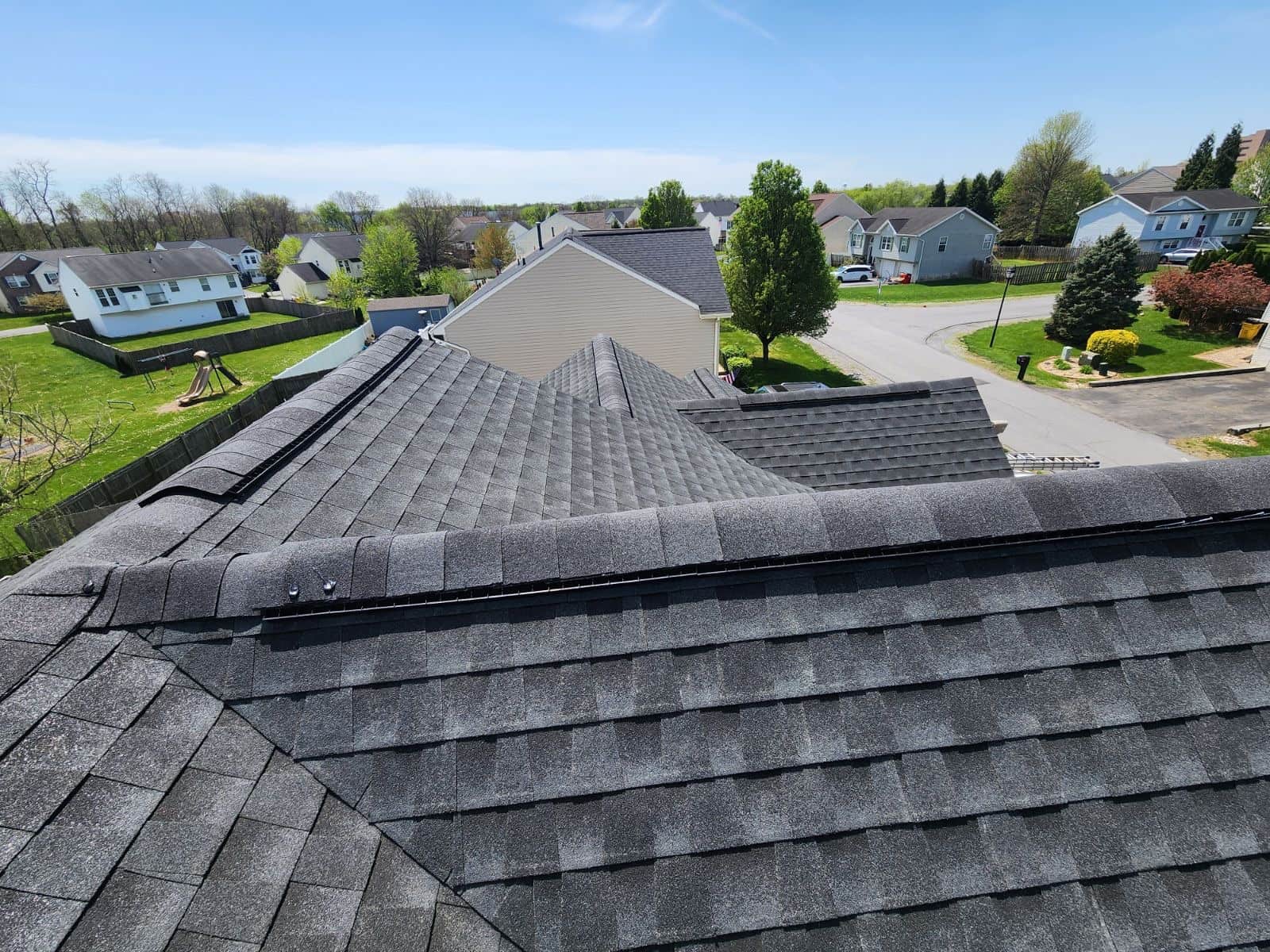
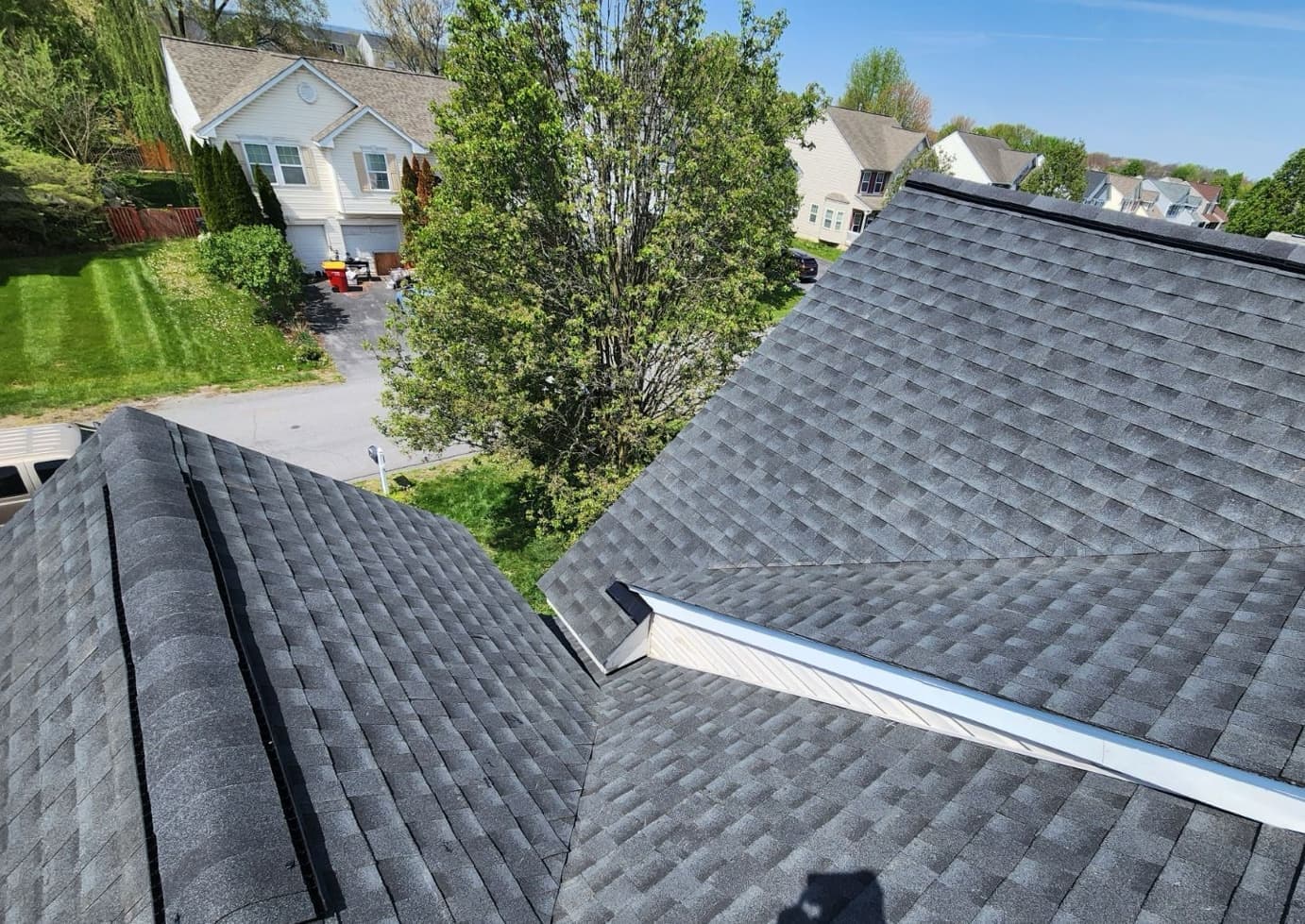
- Multi-layer, dimensional. Built up in layers with a textured, shadowed look that mimics wood shake or slate. The roof actually looks like something.
- Heavier: 240–340+ lbs per square. More material, more durability.
- Wind rating: 110–130 mph, premium lines higher.
- Lifespan: 25–30 years realistically; premium lines longer.
- Warranty: 30 years to lifetime limited, depending on line and installer certification.
Why the Climate Matters Here
The Eastern Panhandle puts roofs through a genuinely punishing schedule:
- Wind events. Storms rolling off the Allegheny ridges and down the valleys regularly throw 50–70 mph gusts. A 60-mph-rated 3-tab roof is living at the edge of its job description; a 110–130-mph architectural roof has actual margin.
- Freeze-thaw. Our winters bounce above and below freezing on repeat, which stresses every shingle. A heavier, multi-layer architectural shingle handles that beating better.
- Sun and heat. Summer UV slowly cooks asphalt. More material, more service life.
- Hail and debris. Heavier shingles resist impact better — and that one matters for insurance claims.
In this climate, the durability gap between 3-tab and architectural isn't theoretical. It's the difference between replacing your roof at year 16 and at year 28.
The Cost Difference Is Smaller Than People Think
Homeowners often picture architectural shingles as a major upcharge. In 2026, they're not. The shingle material itself is roughly 15–25% more than 3-tab — but shingles are only one piece of a roof replacement. Tear-off, underlayment, flashing, ridge venting, disposal, and crew time cost the same either way.
On a typical Eastern Panhandle replacement, going architectural over 3-tab adds about $800–$2,000 to the total. For that, you get 10+ extra years of life, a real wind rating, and a roof that actually flatters the house from the curb. The math favors architectural so completely it almost feels rude.
When 3-Tab Still Makes Sense
The exceptions are real, just narrow:
- A rental or investment property you're flipping in the next year or two, where the cheapest acceptable roof is the entire goal.
- Matching an existing 3-tab roof on a partial replacement — mixing shingle types looks wrong, and "looks wrong" is bad on a roof.
- A detached structure — a shed or outbuilding — where curb appeal and longevity matter less.
For a primary residence you plan to keep, architectural is almost always the move.
The Brands We Install
Real Elite Contracting installs architectural shingles from GAF (Timberline HDZ) and Owens Corning (Duration) — the two manufacturers with the strongest track record and warranty support in our market. Both deliver:
- High wind ratings (130 mph with proper installation)
- Algae-resistance technology (very relevant to our greenhouse summers) Review the proposed scope and warranty terms before signing.
Premium and designer lines are available when a homeowner wants a specific look — but standard architectural from these two is a fantastic roof for almost any home.
What Actually Makes a Roof Last
Shingles matter. Installation matters more. A premium architectural shingle installed poorly will fail before a 3-tab installed well — which is why some of the saddest stories in roofing involve great materials and bad nailing. What we hold to a standard, every roof:
- Proper underlayment and ice-and-water shield in valleys, eaves, and around penetrations
- Correct nailing — right number of nails, right zone, driven right
- Proper flashing at chimneys, walls, valleys, and pipe penetrations
- Ridge venting so the attic can breathe — an under-ventilated attic cooks shingles from below like a slow oven
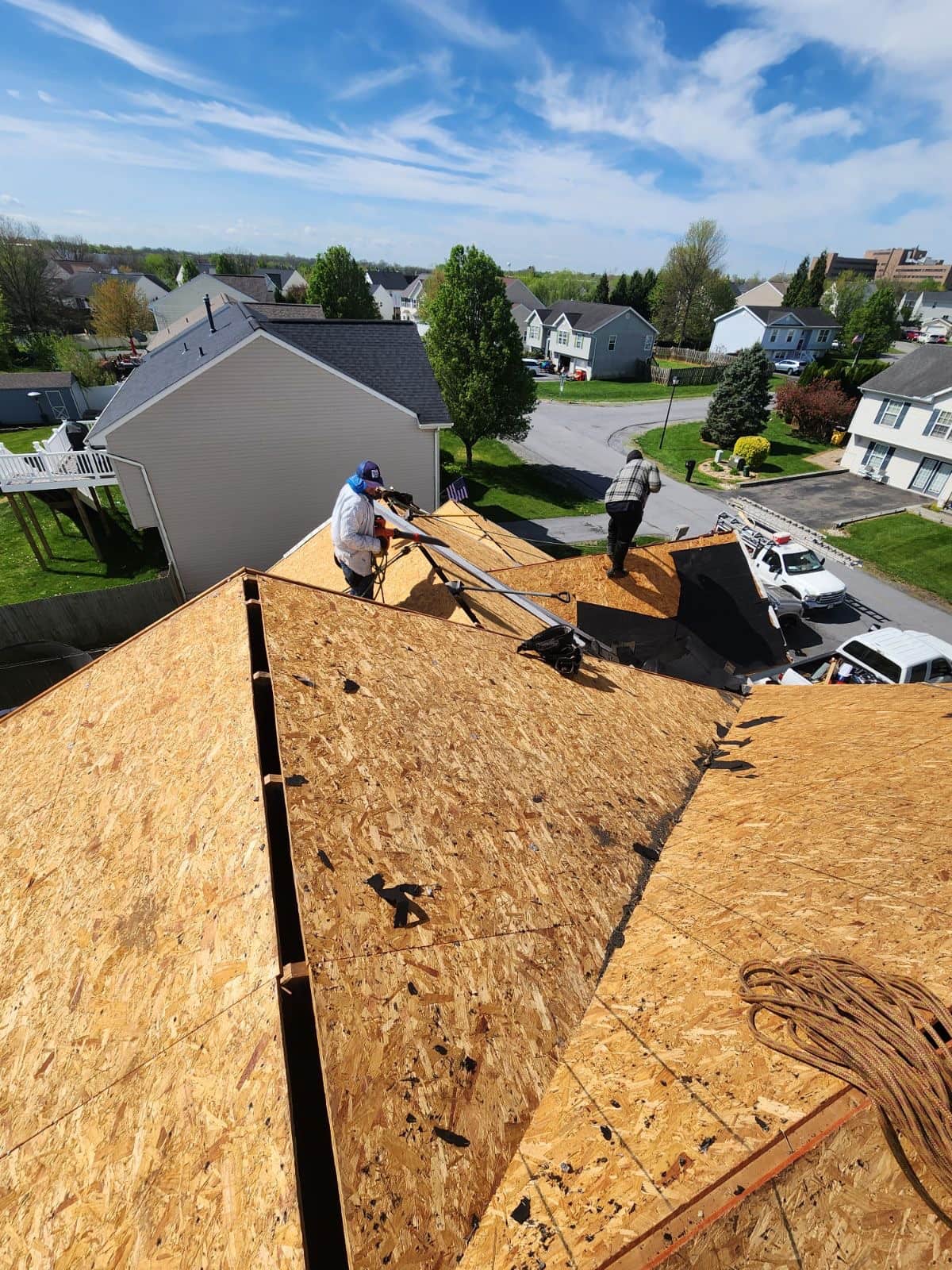
- A clean tear-off down to the deck, with any rotted sheathing replaced before we go on
Review the proposed scope and warranty terms before signing.
Getting an Honest Assessment
Not sure if your roof actually needs replacement yet? Our free inspection gives you a straight answer — we bring photos down from the roof and walk you through what we found. If you've got years left, that's what we'll tell you. If it's time, we'll show you exactly why.
Family-run by brothers Jose and Miguel. Miguel is a U.S. military veteran and Purple Heart recipient. Real Elite Contracting is licensed and insured across WV and VA, serving the Eastern Panhandle, Frederick County, the Northern Shenandoah Valley, and Loudoun County.